Waterproof Deck Replacement Placer County (2026) | SB-326 & SB-721
By Justen Pressler |
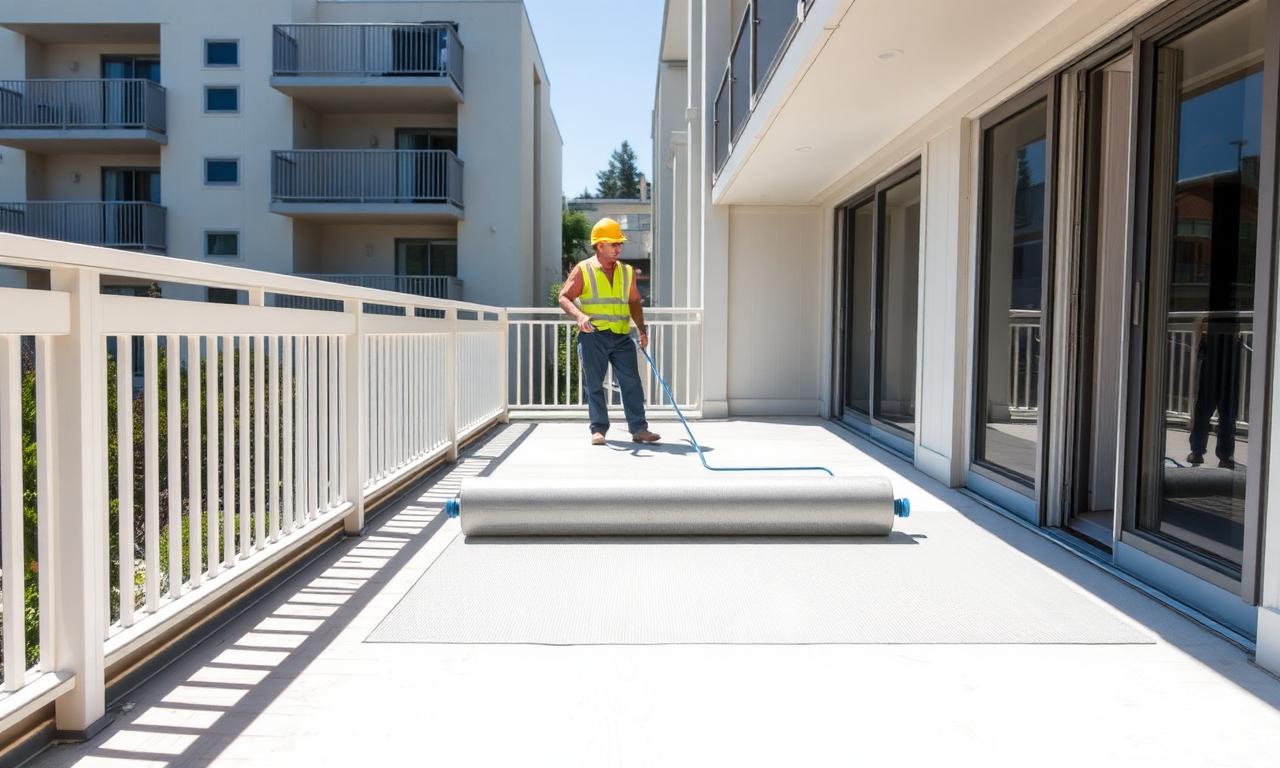
Waterproof deck replacement is the full structural and waterproofing rebuild of an exterior elevated deck system, including substrate repair, new metal flashing at every transition, and a fiberglass-reinforced elastomeric coating engineered to resist Placer County's extreme thermal cycling. For multi family property owners and homeowners across Rocklin, Roseville, Granite Bay, Newcastle and Penryn, Lincoln, Loomis, Auburn, and Meadow Vista, a failing deck is not a cosmetic problem. It is a structural and liability problem. As a GAF Master Elite certified, California-licensed general contractor (CSLB #1085722) with over 25 years of experience in roofing, waterproofing, and residential construction, Pressler Home Performance has replaced waterproof decks on apartments, condos, HOA buildings, and single family homes throughout Placer County and we know exactly why most of them fail.
A leaking exterior deck is one of the most expensive problems a property owner can ignore. Water that gets past a failed coating destroys plywood substrates, rots framing members, and migrates into the unit below. If you own a multi family property in California, you are also legally required to inspect these decks under SB-326 or SB-721. If you suspect deck failure on any property, contact us immediately for a free inspection.
Quick Answer Summary
- Waterproof deck replacement is a complete rebuild, not a recoat. It includes demo, substrate repair, new flashing, fiberglass mat, and a multi-layer elastomeric coating
- Most deck failures start at the door threshold and railing posts. Improper flashing details at these transitions cause more leaks than any other failure point
- California requires inspection of multi family elevated decks. SB-326 covers HOA and condo balconies, SB-721 covers apartment buildings
- Recoating a failed deck is a waste of money. If the substrate is wet or rotted, no top coat will hold and the leak will return within a season
- Hire a licensed general contractor, not a coating applicator. Real deck replacement requires structural repair, flashing carpentry, and waterproofing expertise under one license
Why Waterproof Decks Fail
Every elevated exterior deck in Northern California lives a hard life. The wood substrate beneath the coating expands and contracts every day with temperature swings, gets pounded by UV radiation eight to ten months a year, and is asked to keep water out of the building below it for decades. The coating systems used on these decks, typically a polymer-modified elastomeric coating reinforced with fiberglass mat, are engineered to flex with that movement. But they have a finite service life, and that life ends much sooner when the original installation cut corners.
The most common failure pattern we see across Placer County looks like this. The original builder applied a thin coating directly over plywood with no fiberglass reinforcement, no metal flashing at the door threshold, and inadequate flashing at railing post penetrations. Within five to seven years, the coating cracks at the high-stress transitions. Water gets behind it. The plywood begins to rot from the underside, where no one can see it. By the time a stain appears on the ceiling of the unit below, the framing has been wet for years and a structural repair is unavoidable.
This is preventable. A properly built waterproof deck system installed by a contractor who understands both roofing and structural carpentry will last 20 years or more with only periodic maintenance recoats.
California SB-326 and SB-721 Inspection Requirements
If you own a multi family property in California, you are legally required to inspect your elevated exterior elements (balconies, decks, walkways, stairways, and their supports) on a recurring schedule.
SB-326 applies to condominiums and other common interest developments governed by an HOA. The law was passed by the California Legislature (leginfo.legislature.ca.gov) following the 2015 Berkeley balcony collapse and requires HOAs to retain a licensed structural engineer or architect to inspect at least 15 percent of each type of exterior elevated element by January 1, 2025, and every nine years thereafter.
SB-721 applies to apartment buildings with three or more multi family dwelling units. It requires an inspection of exterior elevated elements by a qualified inspector by January 1, 2026, and every six years thereafter.
Both laws were created because waterproof deck failures kill people. They also create significant liability exposure for owners and HOAs that ignore them. If your property has not been inspected, that should be your first call. If your property has been inspected and the report identifies dry rot, deteriorated coating, or compromised structural members, that is a deck replacement project, not a recoat. We work directly with the structural engineers and architects who perform these inspections to scope and execute corrective work that satisfies the report.
Common Causes of Deck Leaks and Coating Failure
Improper Surface Preparation
A waterproof deck coating is only as good as the substrate it bonds to. Most premature failures we see in Rocklin and Roseville trace back to applicators who skipped proper prep. They coated over moisture, over old failed coating, or over plywood with raised seams. Real prep means moisture testing, mechanical scarification, joint treatment, and a primer that matches the finish system. There are no shortcuts.
Missing or Inadequate Fiberglass Reinforcement
A true waterproof deck system is not just paint. It is a built-up assembly: a base coat embedded with woven fiberglass mat, a slurry intermediate coat, and a textured top coat. The fiberglass mat is what gives the system its tensile strength and its ability to bridge substrate cracks. Coatings applied without fiberglass reinforcement will fail at every plywood seam within a few years. We see this constantly on apartment buildings built in the early 2000s.
Failed Metal Flashing at Door Thresholds
The number one leak point on any waterproof deck is the door threshold. Water pools against the building, the threshold flashing is undersized or missing, and water wicks behind the door pan and into the wall framing. Proper deck-to-wall transitions require a metal counterflashing that integrates with the building paper, lapped correctly with the deck coating system. This is carpentry work, not coating work, and most coating-only contractors get it wrong.
Wrong Coating System for the Application
Not every elastomeric coating is rated for foot traffic, ponding water, or heavy UV exposure. We have seen contractors install garage-floor epoxies on exterior decks, roof coatings on walking decks, and interior products outside. The result is always the same. The coating fails within two seasons, the substrate gets wet, and the property owner pays twice. We specify Westcoat, Life Deck, or Dex-O-Tex systems based on the specific deck application, traffic load, and exposure profile.
Dry Rot Hidden Beneath Existing Coating
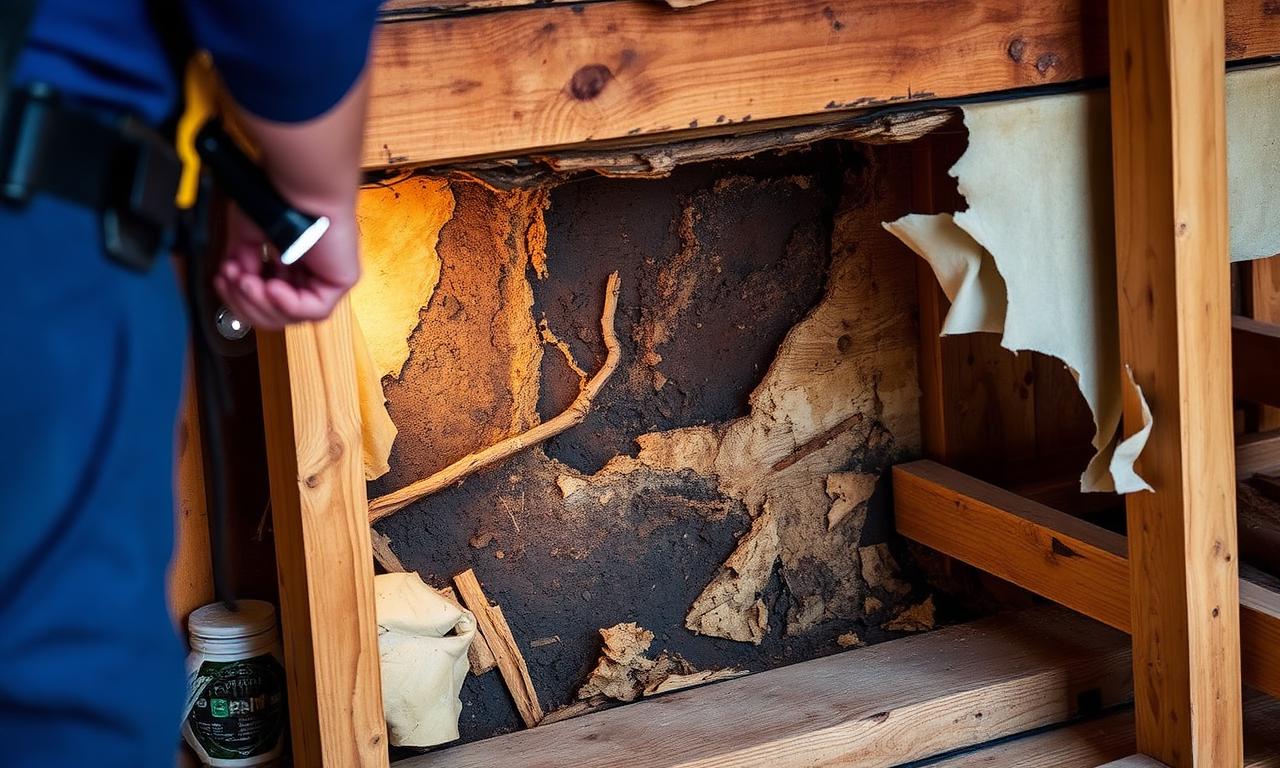
When we open up a failing deck, we almost always find more dry rot than the visual inspection suggested. Once water gets past a coating, it can travel laterally beneath the membrane for years before any sign appears on the ceiling below. By the time we demo, we are usually replacing not just the plywood substrate but also the joists at the building line and the rim joist where water has been sitting against framing. Replacing the coating without addressing the rot underneath is malpractice.
Improper Drainage Slope
Every waterproof deck must slope a minimum of 1/4 inch per foot away from the building toward a scupper, drain, or open edge. Decks built without proper slope, or decks where settling has created reverse slope toward the building, will pond water against the wall transition and overwhelm any flashing detail. Correcting slope during a deck replacement requires structural shimming or sleeper construction, work that only a licensed general contractor should perform.
How Placer County Climate Accelerates Deck Failure
Summer UV and Surface Temperatures
Placer County summers punish exterior coatings. Surface temperatures on a south-facing deck in Rocklin or Lincoln routinely exceed 150°F on a 105°F day. UV radiation breaks down the polymer chains in cheap elastomeric coatings within five to seven years. Premium systems with UV-stable topcoats can last 15 to 20 years in the same conditions, but only if they were installed correctly to begin with.
Atmospheric River Storm Events
Winter in Placer County now means atmospheric rivers. A single storm can dump 3 to 5 inches of rain in 24 hours with wind-driven horizontal flow that exposes every flashing weakness on a deck. Decks that performed adequately during gentle rains fail catastrophically during these events. The water finds the threshold gap, the cracked railing post boot, the unsealed scupper edge, and pours into the structure.
Daily Thermal Cycling
Even outside of extreme weather, Newcastle and Penryn, Granite Bay, and Loomis experience large daily temperature swings. A 40 to 50 degree daily swing creates constant expansion and contraction at every coating-to-flashing transition. Cheap caulks and unreinforced coatings cannot survive this cycling for more than a few seasons.
Signs Your Deck Needs Replacement, Not Just Recoating
A recoat is a maintenance procedure that adds 5 to 7 years of life to an otherwise sound deck. It is not a fix for a failed deck. If you see any of the following, you need a replacement:
- Soft spots when you walk the deck. This means the substrate is rotted and a coating cannot save it
- Visible blisters, bubbles, or delamination in the existing coating. The bond is gone and water is already underneath
- Cracking in the coating along plywood seams. The fiberglass reinforcement has failed or was never installed
- Water stains on the ceiling of the room or unit below. Active water intrusion is happening right now
- Dry rot visible at fascia, rim joist, or stucco below the deck. Water has been migrating for a long time
- Coating pulling away from the door threshold or wall transition. The most critical waterproofing detail has failed
- An SB-326 or SB-721 inspection report flagging the deck. Engineers do not flag minor cosmetic issues. If they wrote it up, it needs structural attention
- The deck is more than 15 years old and has never been recoated. You are well past the service life of the original system
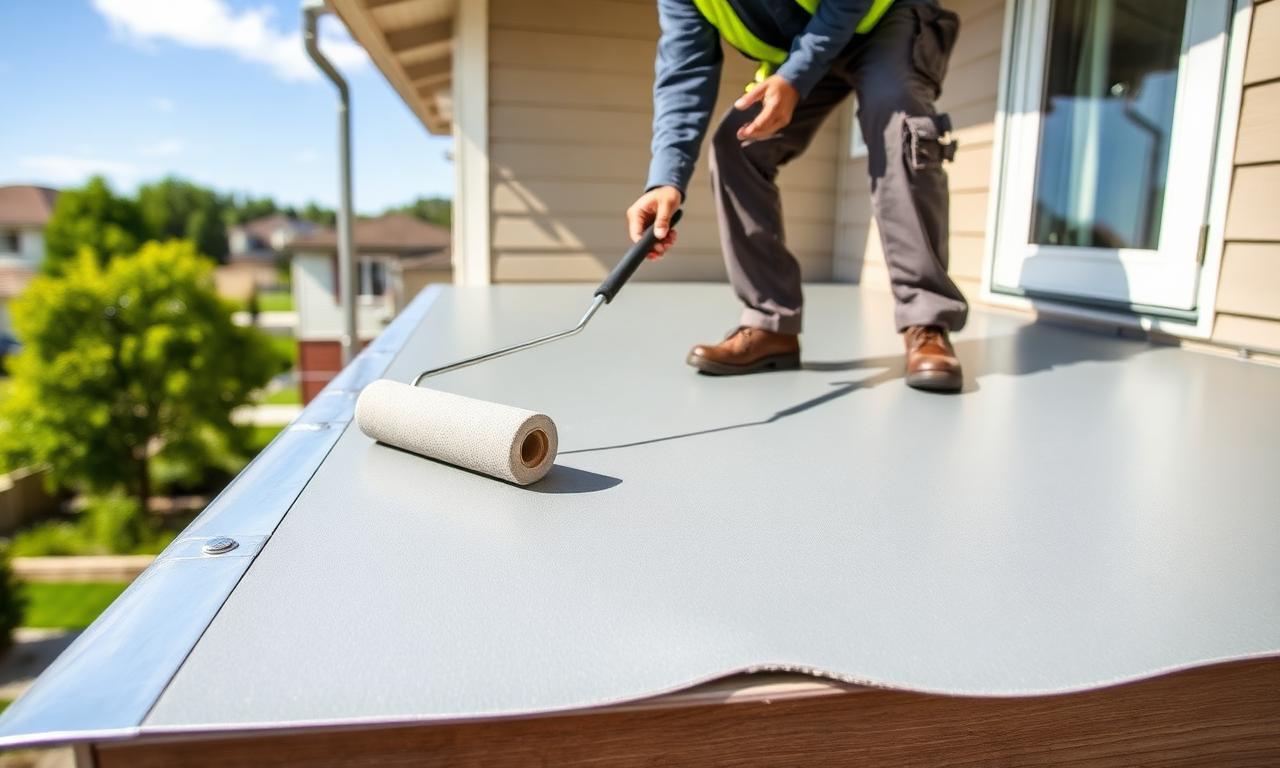
Multi Family vs Residential Deck Replacement Differences
Multi family deck replacement and single family residential deck replacement use the same underlying waterproofing systems, but the projects look very different in the field.
Multi family projects require coordination with HOA boards, property management, and tenants. Work has to be staged so that residents can still access their units, often through alternative routes while their primary balcony is offline. Fire-rated assemblies are usually required because decks act as the floor of the unit above and the ceiling of the unit below, which means a Class A fire-rated coating system and proper underside protection. Permits typically require structural engineering review, especially when dry rot extends into joists or beams. We provide phased project schedules, tenant notification templates, and weekly progress reports for property managers throughout Rocklin, Roseville, and Granite Bay.
Residential projects are simpler from a coordination standpoint but often involve more architectural detailing, glass railing systems, integrated lighting, drainage to landscape features, and finish selections that match the rest of the home. Single family deck replacement is also where we frequently combine waterproofing with adjacent siding and exterior paint, concrete work below the deck, and door replacement at the threshold. Doing this work as a single coordinated scope is cheaper and produces a better result than calling three different contractors.
Waterproof Deck Replacement Cost Factors in Placer County
Deck Square Footage
Most residential decks fall between 100 and 400 square feet. Multi family balconies typically run 60 to 150 square feet per unit but include 10 to 60 units per building. Per-square-foot pricing decreases with project size.
Extent of Substrate Repair
A deck with sound plywood that just needs a new coating system runs $18 to $30 per square foot. A deck that requires plywood replacement, joist sistering, or rim joist replacement runs $35 to $80 per square foot. A deck where dry rot has reached the supporting beams or building framing can exceed $120 per square foot.
Coating System Specified
Standard polymer-modified cement-based systems (Westcoat ALX) are the most economical and have proven reliable across Placer County for 20+ years. Premium polyurethane and methyl methacrylate systems cost more but cure faster, important for occupied multi family buildings where downtime is a major issue.
Flashing and Carpentry Scope
Replacing the door threshold pan, integrating new metal flashing with existing siding or stucco, and rebuilding railing post bases adds carpentry cost but is non-negotiable for a deck that is meant to last.
Permit and Engineering Requirements
Multi family work and any project involving structural repair will require a permit from Placer County Building Services or the relevant city building department, plus structural engineering when joists or beams are modified.
Access and Staging
Second and third story balconies, decks over occupied space, and projects requiring tenant relocation cost more than ground-accessible single family work. Phased multi family projects also carry mobilization costs that single-phase residential work avoids.
The Pressler Waterproof Deck Replacement Process
1. Free on-site assessment. We walk the deck, document existing conditions, identify the failure mode, and provide a written scope with a fixed price.
2. Permit and engineering coordination. We pull required permits and coordinate with structural engineers when the scope involves framing modifications.
3. Demo and inspection. We strip the existing coating and substrate down to framing, then inspect every joist and beam for hidden rot. We document everything with photos and adjust scope if necessary before proceeding.
4. Structural repair. Damaged joists are replaced or sistered. Rim joists at the building line are replaced where needed. New blocking is installed at all transitions.
5. New plywood substrate. We install new tongue-and-groove plywood sheathing, gapped per manufacturer specification, with all seams treated.
6. Metal flashing installation. New metal threshold pans, wall flashings, and railing post boots are installed and integrated with the existing weather barrier.
7. Base coat with fiberglass reinforcement. A polymer base coat is applied and woven fiberglass mat is embedded throughout the entire deck surface and up the wall transition.
8. Slurry intermediate coat. A thicker intermediate coat builds the system to specification thickness and creates the substrate for the texture coat.
9. Textured top coat. A UV-stable, slip-resistant top coat in the homeowner or HOA-selected color is applied.
10. Sealant detailing and water test. All transitions are sealed with the manufacturer's specified sealant and the deck is water-tested before sign-off.
11. Final walkthrough. We walk the project with the property owner or HOA representative, deliver warranty documentation, and provide maintenance recommendations.
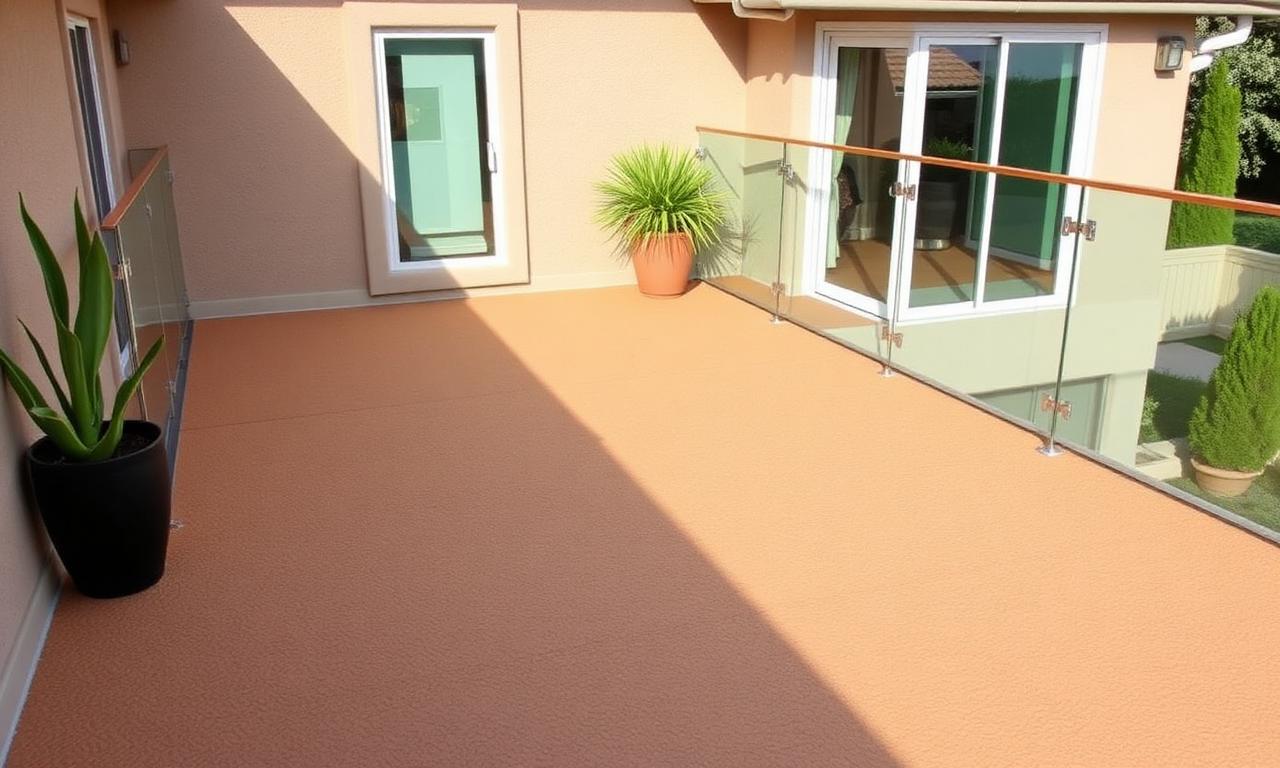
Coating Systems We Install
We are installers and authorized contractors for the leading waterproof deck systems used in California:
- Westcoat ALX: A polymer-modified cement-based system that is the industry standard for residential and multi family balconies in Northern California. Class A fire rated, ICC approved, and 20+ years of proven Placer County performance.
- Life Deck: A range of fiberglass-reinforced systems including the Life Deck AL Standard for general balcony applications and Life Deck Polyurethane for higher-traffic and faster-cure applications.
- Dex-O-Tex Weatherwear: A premium acrylic system frequently specified by architects for high-end residential decks.
We select the system that fits the project, not the other way around. The right system for an HOA balcony in Roseville is not the same as the right system for a custom home deck in Granite Bay.
Waterproof Deck Replacement Across Placer County
We provide waterproof deck replacement, repair, and SB-326 / SB-721 corrective work across all of Placer County:
- Rocklin: Multi family, condo, and residential waterproof deck replacement throughout Whitney Ranch, Stanford Ranch, Sunset West, and all Rocklin neighborhoods
- Roseville: Apartment, condo, and HOA deck replacement across West Roseville, Sun City, Fiddyment, Highland Reserve, and downtown Roseville
- Granite Bay: Custom home deck replacement and high-end residential waterproofing throughout Granite Bay
- Newcastle and Penryn: Residential deck replacement and structural repair for Newcastle and Penryn area properties
- Lincoln: Including Sun City Lincoln Hills, Lincoln Crossing, and Twelve Bridges multi family and residential deck work
- Loomis: Including Del Oro, Loomis Basin, and rural Loomis residential deck replacement
- Auburn: Multi family and residential waterproof deck work throughout Auburn, North Auburn, and the Highway 49 corridor
- Meadow Vista: Residential deck replacement for Meadow Vista homes
- Colfax: Foothill residential deck replacement in the Colfax area
We also serve property owners throughout Sacramento County including Folsom, Fair Oaks and Carmichael, Orangevale, Citrus Heights, and Rancho Cordova.
Frequently Asked Questions
What is the difference between deck recoating and deck replacement?
Recoating is a maintenance procedure that applies a new top coat over a structurally sound existing deck system, typically extending its service life by 5 to 7 years. Replacement is a full rebuild that includes demo, substrate repair, new metal flashing, and a complete multi-layer waterproofing system. If your deck has dry rot, soft spots, or active leaks, you need replacement, not a recoat.
How long does waterproof deck replacement take?
A residential deck replacement in Rocklin or Roseville typically takes 7 to 14 days from demo to final cure, depending on the extent of substrate repair and weather conditions. Multi family projects are phased per building and can run 4 to 12 weeks per building depending on unit count and access.
How much does it cost to replace a waterproof deck in Placer County?
Most residential waterproof deck replacements in Placer County run $35 to $80 per square foot when substrate repair is involved. Multi family balcony replacements typically price between $4,500 and $9,000 per balcony. Pricing depends heavily on the extent of dry rot discovered during demo. We provide fixed-price written scopes after on-site assessment.
What is SB-326 and does it apply to my property?
SB-326 is the California state law that requires HOAs and condominium associations to inspect at least 15 percent of each type of exterior elevated element on a nine-year cycle. If your property is a condo, townhome, or any common interest development with elevated balconies or walkways, SB-326 applies. The first inspection deadline was January 1, 2025.
What is SB-721 and how is it different from SB-326?
SB-721 is the parallel California law for apartment buildings with three or more units. It requires inspection of exterior elevated elements by a qualified inspector on a six-year cycle, with the first deadline of January 1, 2026. SB-326 covers HOA-governed properties; SB-721 covers rental apartments.
Can I replace a waterproof deck in winter?
Yes, with proper conditions. Coating systems have minimum application temperatures (usually 50°F) and require dry substrate. We schedule winter deck replacements between storm events and use temporary protection to keep the substrate dry during multi-day applications. Most of our multi family work happens between September and May.
What is the best waterproof deck coating system?
There is no single best system. Westcoat ALX is the most proven for Northern California multi family balconies. Life Deck Polyurethane is best when fast cure and minimal downtime matter. Dex-O-Tex Weatherwear is preferred for high-end custom residential. We match the system to the application.
How long does a waterproof deck last?
A correctly built waterproof deck system installed by a qualified contractor will last 20 to 25 years with periodic top coat refresh every 7 to 10 years. A poorly installed deck will fail within 5 to 7 years regardless of the coating manufacturer.
Do I need a permit to replace a waterproof deck in Placer County?
If the project includes structural repair (joist replacement, rim joist work, beam modification) you need a permit from Placer County Building Services or the city of jurisdiction. Like-for-like coating replacement without structural work generally does not require a permit, but multi family projects almost always do because of fire and life safety review.
Can you work directly with my HOA or property manager?
Yes. We work regularly with HOA boards, property management companies, and structural engineers across Placer County. We provide written scopes, phased schedules, tenant notifications, certificates of insurance, and weekly progress reports throughout the project.
Does Pressler Home Performance offer free deck inspections?
Yes. We provide complimentary waterproof deck inspections for property owners and HOA boards in Rocklin, Roseville, Granite Bay, Newcastle, Penryn, Lincoln, Loomis, Auburn, Meadow Vista, and throughout Placer County. Schedule your free inspection today.
About Pressler Home Performance
Pressler Home Performance is a California-licensed, full-service general contractor based in Rocklin, CA. We specialize in:
- Roofing: GAF Master Elite certified roofing installations, replacements, and repairs
- Solar and Electrical: Solar installation, solar roof leak repair, and electrical services
- Custom Home Building: Custom home builder in Rocklin delivering ground-up residential construction
- ADU Construction: ADU builder in Rocklin handling design, permits, and construction
- Barndominiums: Barndominium builder in California with steel-framed living expertise
- Red Iron Steel Buildings: Red iron steel buildings in California for every application
- Siding and Exterior Painting: Siding contractor and exterior painting in Rocklin
- Concrete and Landscaping: Concrete contractor in Rocklin for all flatwork and hardscaping
We serve Rocklin, Roseville, Granite Bay, Newcastle and Penryn, Lincoln, Loomis, Auburn, Meadow Vista, all of Placer County, and Sacramento County.
About the Author
Justen Pressler is the founder of Pressler Home Performance and a California licensed contractor (CSLB #1085722) with over 25 years of experience in roofing, waterproofing, and residential construction serving Rocklin, Roseville, and Placer County. Justen has overseen waterproof deck replacements on multi family properties, condominium complexes, HOA buildings, and high-end custom residential projects across Northern California. His commitment to doing things the right way (proper substrate prep, correct flashing details, premium coating systems, real warranties) has made Pressler Home Performance the most trusted name for SB-326 and SB-721 corrective work in Placer County.
Ready to Get Started?
If you have a leaking deck, an SB-326 or SB-721 inspection report flagging deficiencies, or a multi family property approaching its inspection deadline, Pressler Home Performance is here to help. We serve property owners, HOAs, and homeowners across Rocklin, Roseville, Granite Bay, Newcastle, Penryn, Lincoln, Loomis, Auburn, Meadow Vista, and all of Placer County and Sacramento County.
Call us today at (916) 367-8828 or request a free consultation online. No pressure, no gimmicks. Just honest work from a contractor who lives in your community and treats your property like it is his own.