Warning Signs Your Roof Is Failing: A Sacramento Homeowner's Guide
By Justen Pressler |
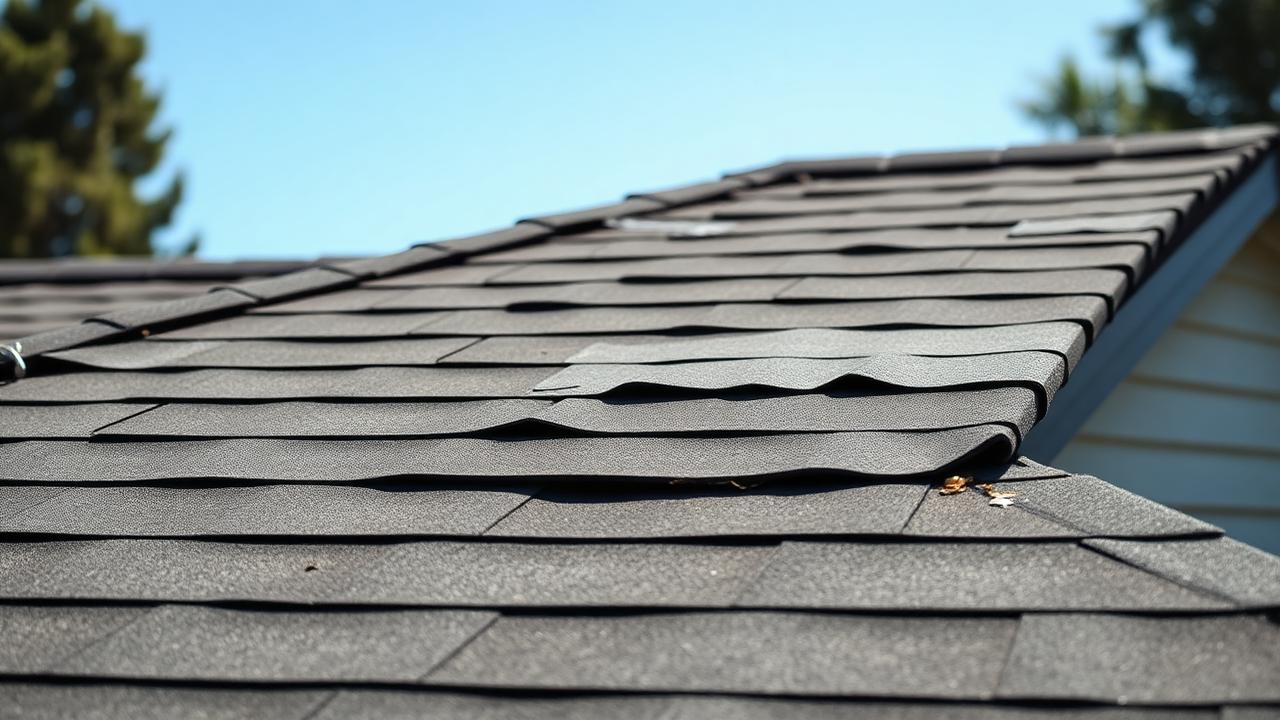
A failing roof rarely fails on a single day. It deteriorates quietly for months or years before it finally leaks into a bedroom ceiling. By the time most Sacramento and Placer County homeowners call us, the warning signs have been visible from the curb for at least a season. As a GAF Master Elite certified roofing contractor (CSLB #1085722) with over 25 years of experience across Sacramento, Roseville, Rocklin, Citrus Heights, and Arden-Arcade, we have inspected thousands of roofs and the failure patterns are consistent. This guide walks through every warning sign we look for, so you can spot trouble early and make an informed decision before water gets into your home.
If you see any of the signs below, contact us for a free roof inspection before the next storm.
Quick Answer Summary
- Most asphalt shingle roofs in Sacramento last 18 to 25 years depending on sun exposure, attic ventilation, and original installation quality
- Granule loss in gutters is the earliest visible warning sign, often appearing 3 to 5 years before active leaks
- Curling, cupping, or cracked shingles mean the asphalt has dried out and waterproofing capacity is gone
- Interior ceiling stains, attic moisture, and daylight visible through the deck mean the roof has already failed and emergency roof repair is required
- A roof inspection costs nothing and a missed warning sign can cost $15,000 to $40,000 in interior damage and structural repair
Why Roofs Fail in the Sacramento Valley
The Sacramento region punishes roofing materials harder than most of the country. Summer surface temperatures on a south-facing roof in Sacramento, Elk Grove, or Folsom routinely climb past 160°F on a 105°F day. UV radiation breaks down the asphalt binder in composition shingles, the oils that keep them flexible evaporate, and the granules that protect the asphalt from sunlight loosen and wash away. Winter atmospheric river storms then pound whatever waterproofing capacity remains. Add the freeze-thaw cycling at higher elevations in Auburn and Colfax, and a roof that would last 30 years in coastal Oregon often fails in 18 in Placer County.
This is not a defect in the materials. It is the operating environment. The right response is to inspect proactively, repair early, and replace before the roof leaves you exposed.
Exterior Warning Signs
Granules in the Gutters and at Downspout Outlets
The asphalt mat in a composition shingle is protected by a layer of ceramic-coated mineral granules. Those granules are the sunscreen for the roof. When you find handfuls of granules in your gutters, at the base of downspouts, or in flower beds along the dripline, the protective layer is washing off. A small amount of granule loss in the first year after installation is normal manufacturing run-off. Continuous granule loss after year 5 is a clear warning that the shingles are aging and UV degradation has begun.
Curling, Cupping, or Clawing Shingles
Healthy shingles lay flat against the roof. As asphalt dries out and loses its volatile oils, shingle edges begin to curl up at the corners (cupping) or the center of the shingle lifts (clawing). Curled shingles cannot create a wind seal and they cannot shed water properly at the overlap. Wind events that would not damage a healthy roof now lift these shingles and tear them off. If you can see curling from the ground, the roof is in late-stage failure.
Cracked, Split, or Missing Shingles
Visible cracks in the shingle surface, splits along the laminate seam, or shingles that have torn off entirely all mean the field of the roof has lost integrity. Replacing a few missing shingles is a roof repair we perform almost daily, but if the cracking pattern is widespread the underlying asphalt is brittle and the entire roof is approaching end of life.
Bald Spots and Exposed Mat
Walk around the perimeter of your house and look up at the roof from the ground. Look for dark patches where the shingle color appears flatter or shinier than the surrounding area. Those are bald spots where the granules have eroded down to the bare asphalt mat. Once the mat is exposed, UV degrades the shingle in months instead of years.
Sagging Roof Lines
Stand 30 feet back from your house and sight along the ridge line and the eave line. Both should be perfectly straight. Any visible sag, dip, or wave in the roof line means the structural deck or rafters have absorbed water, lost stiffness, and begun to deform. Sagging is a structural emergency. It does not get better and it can lead to partial collapse during a storm.
Damaged Flashing at Chimneys, Vents, and Skylights
Most roof leaks do not happen in the field of the roof. They happen at the metal flashings around chimneys, plumbing vents, attic vents, and skylights. Walk around the house and look at every flashing transition. If you see rust, separation, lifted edges, cracked sealant, or missing fasteners, water is finding a path into the structure even if the shingles around it look fine.
Moss, Algae, and Plant Growth
Moss and algae trap moisture against the shingle surface, accelerate granule loss, and lift shingle edges as the moss thickens. Heavy growth on a north-facing slope in Granite Bay, Loomis, or shaded portions of Arden-Arcade is both a symptom of poor sun exposure and an active cause of accelerated wear. Algae streaks (dark vertical stains) are mostly cosmetic but indicate prolonged surface moisture.
Interior Warning Signs
Ceiling Stains, Drywall Bubbling, or Peeling Paint
Brown rings on a bedroom ceiling are the homeowner's first interior clue, but they are a late-stage symptom. By the time water reaches the drywall, it has been migrating through the attic insulation and across the rafters for weeks or months. Bubbling paint at a wall and ceiling intersection often means water is running down the framing rather than dripping straight through.
Daylight Visible Through the Roof Deck
Go into the attic on a sunny day and turn off the lights. If you can see pinpricks of daylight anywhere through the roof deck, you have holes. Water will follow those holes during the next storm. This is an immediate emergency, not a "next year" project.
Wet Insulation, Mold, or a Musty Smell in the Attic
Pull back attic insulation in suspected leak areas and feel it. Wet, compacted, or stained insulation indicates ongoing moisture intrusion. A musty or earthy smell in an otherwise dry attic almost always means hidden water has been present long enough to grow microbial colonies. Both mean the roof needs immediate attention.
Higher Than Normal Energy Bills
A roof in late-stage failure often coincides with deteriorated attic ventilation, compressed insulation from past leaks, and air infiltration around damaged vents and flashings. If your summer cooling bill or winter heating bill has crept up year over year without any other change, the building envelope is leaking energy and the roof is often the source.
Storm Damage Warning Signs
After every significant Sacramento Valley wind event or hailstorm, walk your perimeter and look for the following:
- Shingle granules washed into a single gutter or downspout in unusually large volume
- Pieces of shingle on the lawn or driveway especially after high winds
- Dented or pitted skylight covers, vent caps, or HVAC condenser fins which indicate hail strong enough to damage shingles
- Lifted or wind-creased shingles along the eaves or ridges
- Branches, roofing nails, or debris that may have penetrated the roof surface
If you find any of these, document them with photos before any cleanup and call us. We work with insurance carriers across Placer County and Sacramento County and can produce a written damage report for your claim.
When Repair Is the Right Call vs Full Replacement
Not every warning sign means the roof needs to be replaced. The decision comes down to four factors:
1. Age of the roof - Composition roofs under 12 years old are usually candidates for repair. Roofs over 18 years old usually warrant replacement.
2. Extent of damage - Localized damage in one slope is repairable. Widespread granule loss, curling across multiple slopes, or sagging is replacement territory.
3. Condition of the underlayment and decking - If we open up the roof and find soft decking, deteriorated felt, or rotted sheathing, repair is no longer cost-effective.
4. Insurance and resale considerations - If you are within 2 to 3 years of selling the home, a new GAF-certified roof is one of the highest-ROI improvements you can make and it removes the buyer financing obstacle that comes with an aging roof.
We never push replacement when a repair will do the job. Our roof repair services handle thousands of leak diagnostics, flashing repairs, and partial re-roofs every year across the region.
What a Professional Roof Inspection Includes
A real roof inspection from Pressler Home Performance is not a five-minute drive-by from a salesperson. Our inspections include:
- Drone aerial documentation of every slope, ridge, valley, and penetration
- Hands-on evaluation of shingle condition, flashing integrity, and ventilation
- Attic interior inspection for moisture, daylight, insulation condition, and ventilation balance
- Written report with photos, findings, and prioritized recommendations
- Honest scope and pricing for both repair and replacement options
The inspection is free. The report is yours to keep. There is no obligation and no high-pressure sales tactics. If your roof has a few more years in it, we will tell you that.
How to Extend the Life of Your Sacramento Roof
Even a roof showing early warning signs can often be extended several years with proactive maintenance:
- Annual gutter cleaning to prevent water backup at the eaves
- Tree trimming to keep branches at least 6 feet off the roof surface
- Moss and algae treatment with manufacturer-approved cleaners (no power washing)
- Attic ventilation evaluation to balance intake and exhaust airflow per GAF ventilation guidelines
- Annual professional inspection to catch flashing failures before they become leaks
- Prompt repair of any storm damage before the next storm compounds it
A well-maintained GAF Timberline HDZ roof installed by a Master Elite contractor regularly delivers 25+ years of service in the Sacramento Valley. A neglected roof of the same product can fail in 12.
Why Pressler Home Performance
We are listed as a GAF Master Elite contractor. The GAF Golden Pledge® Limited Warranty is available on qualifying roofing systems, subject to eligibility, registration, coverage terms and restrictions. Every job is completed under our California general contractor license (CSLB #1085722). We are based in Rocklin, and we serve Sacramento, Roseville, Citrus Heights, Arden-Arcade, Folsom, Elk Grove, and communities across Placer County and Sacramento County.
About the Author
Justen Pressler is the founder of Pressler Home Performance and a California licensed contractor (CSLB #1085722) with over 25 years of experience in roofing and residential construction across Sacramento and Placer County. As a GAF Master Elite contractor, Justen has personally inspected and overseen the replacement of more than 1,500 roofs in the Sacramento Valley and brings hands-on field experience to every diagnosis his team makes.
Ready to Get Started?
If you have spotted any of the warning signs in this guide, do not wait for a leak. Call us today at (916) 367-8828 or request a free roof inspection online. We will give you an honest assessment, photo documentation, and a clear path forward, whether that is a small roof repair or a complete GAF-certified roof replacement.